Does Polymeric Sand Need To Be Sealed
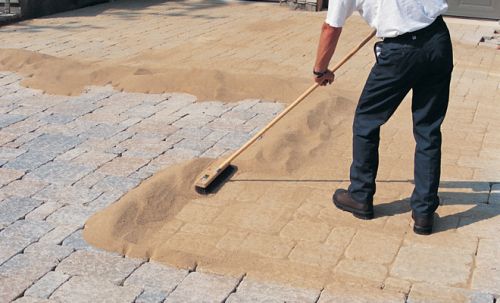
Apply Polymeric Sand Over the Pavers Do not over-apply the sand because the excess will be hard to remove. The best way to remove polymeric sand from a paver surface is to use a hot water pressure washer at 180F.
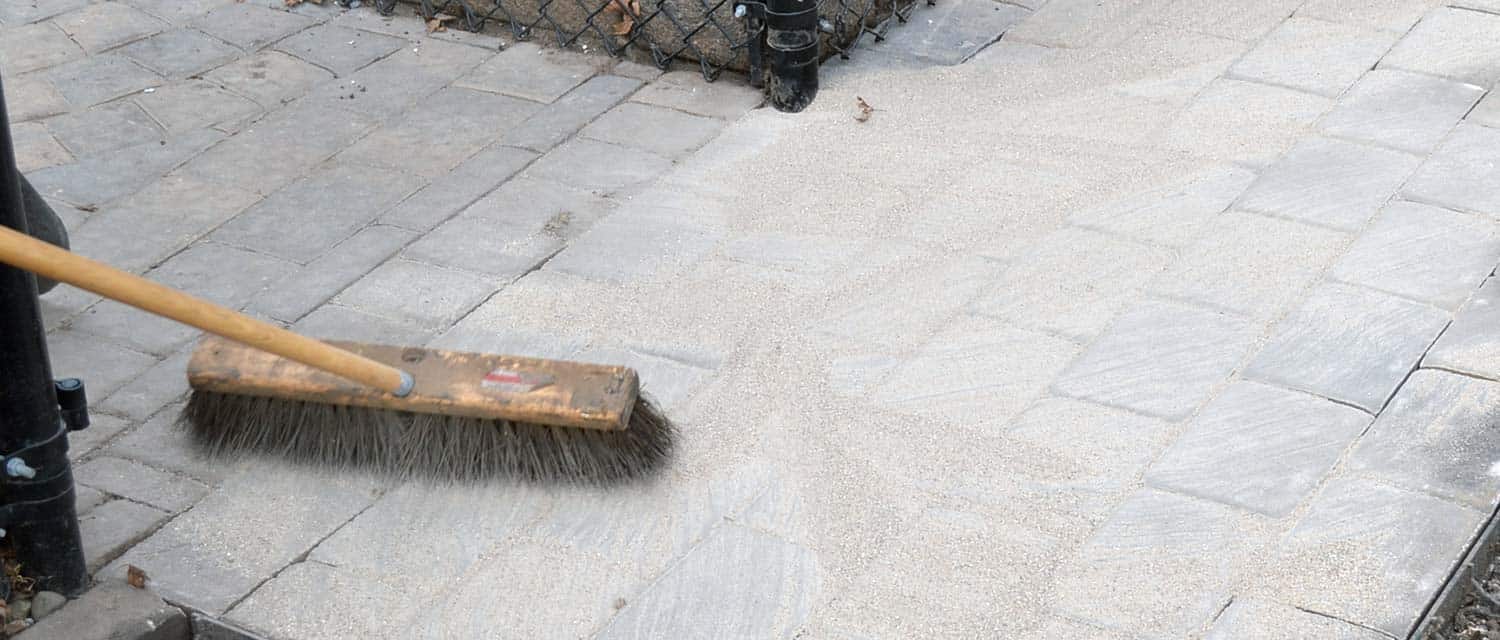
Polymeric Sand 14 Things You Should Know Before You Buy Toemar Garden Supplies And Firewood
For those of you who dont know polymeric sand is a coarse dried sand that has had polymers added to it that when activated with water harden up and seal off paver joints the seams between each paver.

Does polymeric sand need to be sealed. It has to be at least 32 F or above to sand and account for spring and fall being so much more moisture prone. It is not recommended to partially fill with ordinary sand or dust. When combined with water the sand and polymers mix creating a strong bond and locking the pavers in place.
The best way to remove polymeric sand from a paver surface is to use a hot. If youre in a freezethaw cycle climate that can also cause that. Resist plants and pests better.
The sand remains hard when dry and flexible when wet to allow for it to remain intact if the surface moves whether through frost cycles or traffic. Simply so how long does it take polymeric sand to dry. How do you clean pavers after polymeric sand.
You can always add more sand as needed. Applying polymeric sand vs regular sand on paver is not the same. Its normal for it to loosen a bit the first season or two as things finish settling.
Sealed pavers need to be resealed every 3-5 years if using a water-based sealer and 2-3 years if using an acrylic sealer. This gives you an added layer of customization for. You should be able to apply your sealer over the sanded joints though it may not prevent this issue from happening again.
Be sure to remove any contaminated sand from the joints and replace it with a polymeric sand. On the other hand it gets harden when dried and you should always keep this thing in mind. Once youve checked these four important steps off your to-do list youll be ready and.
Polymeric sands have really come along way since their inception in 1999 by Techni Seal. It will save you money time and reputation. However polymer sand tends to do a better job of accomplishing both of these tasks than plain sand.
There are video instructions on UTube and on vendor sites and written. The only way to install Polymeric Sand is with a full joint. When resealing pavers be sure to use the same paver sealer that was originally applied.
If you power wash the entire area must dry thoroughly before applying polymeric sand or the polymeric sand will stick to every damp surface and be extremely difficult to remove. Although this long list makes it sound hard to install polymeric sand it really isnt. Polymeric sand is the ideal choice for filling in the joint spaces between your pavers because it offers many advantages such as Polymeric sand solves this common issue because it is waterproof and is flexible enough to withstand the expansion and contraction that occurs with the change in seasons.
The goal is to completely fill the cracks between pavers without leaving excess sand on the surface. For more details read our 10-Step Polymeric Sand Installation Guide. How long after installing polymeric sand can pavers be sealed.
In some applications where the joints between the pavers are rather large 14 or larger we suggest using the polymeric sand over the joint stabilizing paver sealer because the polymeric sand tends to hold up better in larger joints. The Polymeric Sand that you would have installed will only be a small layer and will crack and flake out of the joint. Can you reapply polymeric sand.
Sealed pavers need to be resealed every 3-5 years if using a water-based sealer and 2-3 years if using an acrylic sealer. If youre going to replace sand the efflorescence cleaning should be done after you replace the polymeric sand and before you seal. This is a type of sand with polymers added.
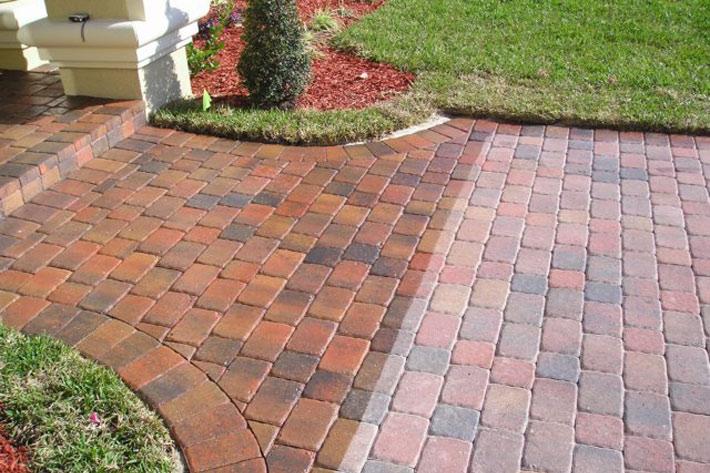
If it is a smaller area use boiling water. You have to completely remove all the pre-existing sand in the joints and start fresh. The pavers on the left are sealed using an enhanced joint stabilizing sealer.
Does polymeric sand allow drainage. Well this sand is flexible which makes it an ideal option for contractors and homeowners. Polymeric sand if installed properly will harden to lock you pavers in place and create a more effective weed and insect deterent while still allowing water to drain freely.
Its a pretty simple task for any DIYer. Saving in the interim will cost you more later on you will of course have to re-purchase more Polymeric Sand. Polymeric sand is a sand formula that is swept into the joints of pavers and natural stone to lock in the product prevent weed growth and insects and to provide the final touches of any hardscaping job.
This will ensure full strength and an installation method that is intended by the manufacturer. Dont miss out on the precautionary tips Ive mentioned in this article. They have been freshly sealed and the sealer is.
It can be easily used as a joint filler for brick pavers. Come in a variety of colors. While laying down these pavers in the correct manner can seem like a tedious task you can carry it out yourself at.
The heat will reactivate the polymers in the product and allow the sand to be stripped away. As the name implies the Polymeric Sand is a mixture of the fine sands that are combined with polymers and other additives. The trick to sealing pavers with sand is using Polymeric sand.
I believe you are now quite clear about how to use polymeric sand efficiently without worrying about mistakes. This will give your pavers a sand finished look that will last. If properly sealed even normal sand should keep the plants and pests like ants away.
You dont have to hire any professional to do this job. Traditionally concrete paver manufacturers have recommended waiting at least 90 days after polymeric sand installation to apply a protective sealant to a paver surface. One of the advantages to polymer sand is the fact that it comes in a number of different colors.
Here is a picture of pavers that have been sealed vs pavers that have not. You just need a day or two of. Should polymeric sand be sealed.
Its imperative to have compacted otherwise that leveling sand is holding more water. Hi everyone this is Jeff Pozniak writing todays note about the death of a polymeric sand. Polymeric sand needs to fill at least 15 deep in the joints in order for the chemical reaction to take place that causes the sand to set.
When this sand is wet then it remains flexible.
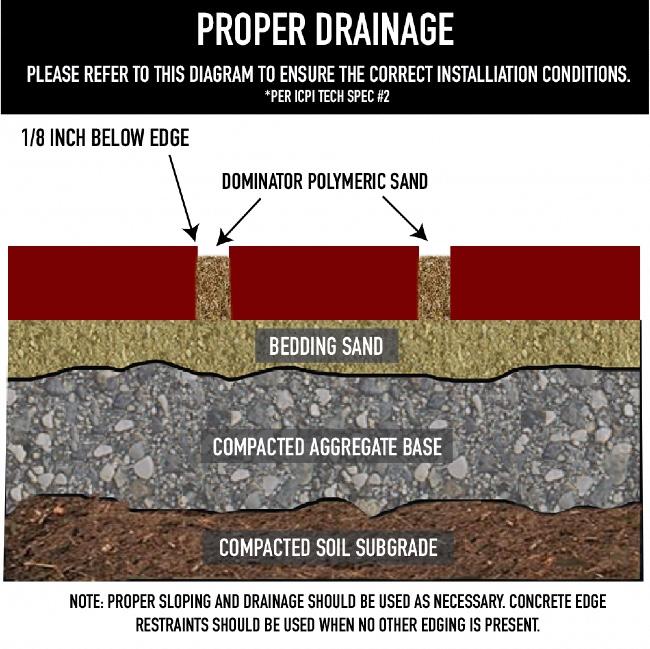
Dominator Polymeric Sand Application Black Diamond Coatings

Filling Joints In Pavers Using Sakrete Paver Set Sakrete

Polymeric Sand Installation Problems And Solutions How To Hardscape
Paver Sealing Vs Polymeric Sand Paver Cleaning Sealing Dayton Cincinnati Columbus Oh

Applying Polymeric Sand To An Existing Patio Or Walkway Sakrete
Polymeric Sand Installation Westchester Wash Seal

Polymeric Sand Vs Regular Sand
Paver Sealing Vs Polymeric Sand Paver Cleaning Sealing Dayton Cincinnati Columbus Oh
How To Use Polymeric Sand To Block Weeds In Our Paver Patio Young House Love

Polymeric Sand Installation Instructions

What Is Poly Sand Haze Concrete Sealing Ratings
Is Polymeric Joint Sand Weed Proof Il Stone Brick Pavers Walkway Driveway Landscape Paver Restoration Contractors

Polymeric Sand Installation Problems And Solutions How To Hardscape

Why We Use Joint Sand Stabilizer When Paver Sealing

Filling Joints In Pavers Using Sakrete Paver Set Sakrete

Why My Polymeric Sand Did Not Set Hardscape Landscape Supplier Blog Hardscaping Materials Pa Nj
How To Use Polymeric Sand Youtube

Paver Sealing Sand Install How To Apply Polymeric Sand Correctly To Interlocking Stairs Pavers Youtube
9 Expert Tips On Using Polymeric Sand

Post a Comment for "Does Polymeric Sand Need To Be Sealed"